
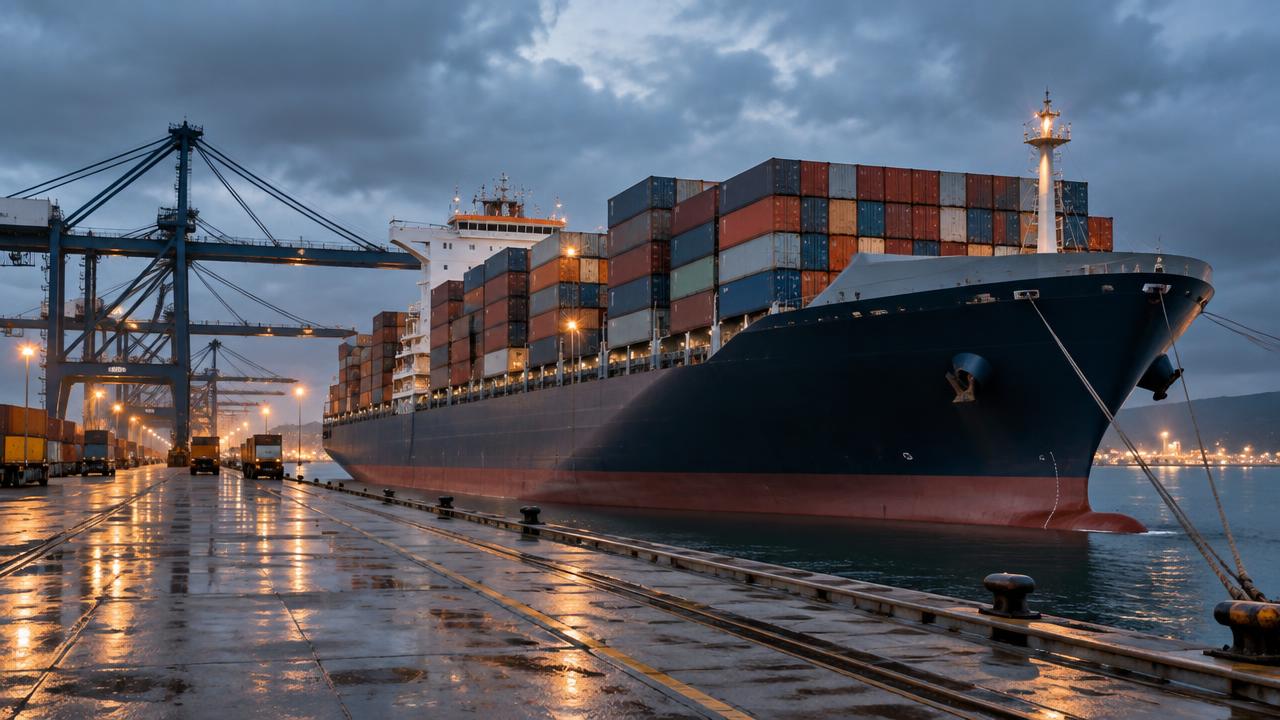
When founders start planning a candle line, two searches happen in parallel: one for candle manufacturers in the USA, and one for custom vessels and finished candles on overseas marketplaces. The second one always looks cheaper on the product page. The first one is cheaper everywhere else — in freight, in risk, in what you actually know about the product you’re selling.
This guide covers both sides: what sourcing overseas really involves once you look past the sticker price, and what working with a US manufacturer — especially one located centrally — does for your costs and timeline.
The Imported Candle Problem: What You Don’t Know Is Inside It
Here’s the scenario that catches a lot of first-time brands. They go online looking for a custom vessel, find one at a remarkable price, and end up ordering their entire project — vessel, wax, fragrance, wick, the finished candle itself — from an overseas supplier. The listing photos look professional. The samples arrive looking fine.
What those founders can’t answer afterward is the question their own customers will ask: what’s actually in this?
- The wax blend is a guess. Is it soy, paraffin, a blend, something else entirely? Imported candles often come with no verified ingredient disclosure — and when a customer or a retailer asks you for one, “the supplier said soy” is not an answer.
- The fragrance is a black box. Reputable fragrance oils are documented and safety-tested for candle use. An undisclosed imported fragrance may smell nice and still not be formulated for burning — a real safety and liability issue when you’re the brand on the label.
- The wick wasn’t engineered for your vessel. A safe, clean burn comes from wicks tested in that exact vessel with that exact wax. Imported finished candles rarely come with any burn test data at all.
- Your customers are the ones who find out.If a batch smokes, tunnels, smells chemical or throws weakly, you discover it from reviews — after the inventory has arrived and been paid for.
When you manufacture in the USA with a partner you can talk to, every one of those answers exists on paper: documented wax, tested fragrances, wicks burn-tested for the vessel, and a real person accountable when something goes wrong.
No Recourse When Things Go South
The second problem with overseas sourcing isn’t the product — it’s what happens when it’s wrong.
A candle arrives with chipped vessels, a fragrance that smells nothing like the sample, or a wick that burns sooty. With a US manufacturer, you email your contact and the fix happens in the same production cycle. With an overseas supplier, your options shrink fast: a dispute process in a platform’s terms, an 11-hour time difference, and a replacement shipment that takes weeks — if you get one at all.
And unlike a domestic partner, that supplier has zero stake in your brand surviving. There’s no relationship, no account manager, no incentive to make it right. Your candles are one order among thousands.
The cheapest candle is the one you don’t have to throw away, replace, or apologize for.
The Hidden Costs of Shipping Across an Ocean
The unit price on an overseas listing is not the landed cost. Between the quoted price and product on your shelf, a familiar stack of charges appears:
- Ocean or air freight priced per container or cubic meter — and rates move with global shipping conditions you can’t control.
- Import duties and tariffs, which have been anything but stable — a rate change mid-project can erase your savings overnight.
- Customs brokerage and clearance fees, charged per shipment regardless of order size.
- Port handling and drayage once the container lands.
- Domestic freight from the port to your warehouse — often from a coastal port far from where you actually are.
- Customs delays — inspections, documentation issues and port backlogs that add weeks with no compensation.
Add it up and that “unbeatable” unit price often lands well above what a domestic run costs — with a much longer lead time attached. A reorder that takes two weeks from a US manufacturer takes two months from overseas, and running out of your bestseller during peak season is the most expensive cost of all.
Why “Centrally Located” Is a Real Advantage
Not all US manufacturers are equally positioned. A factory on one coast can be five or six days of ground shipping from the opposite coast — which matters when your customers are everywhere, or when you’re shipping wholesale orders to retailers across the country.
A manufacturer located centrally in the country — the way Unique Candles Midwest is — sits within a two-to-three-day ground shipment of almost everywhere. That translates into:
- Faster delivery to you, no matter which coast — or the middle — your business calls home.
- Cheaper freight, because shorter domestic ground lanes cost less than cross-country or cross-ocean ones.
- Quicker reorders — when a scent takes off, two weeks beats two months every time.
- Lower-carbon shipping, which matters to the kind of customers who buy artisan candles.
For a growing brand selling both coasts, that central location quietly compounds on every single order — freight you never have to think about, because it isn’t a problem.
What a US Manufacturing Partnership Looks Like
Working with a domestic manufacturer isn’t just about avoiding the problems above — it comes with its own advantages:
- Documented ingredients. Known wax blends, safety-tested fragrance oils and wicks burn-tested for the vessel — answers you can hand straight to a retailer or print on your website.
- Real accountability. A named contact who is part of the production, not a marketplace listing.
- Sample-first decisions. You should never commit to a fragrance you haven’t smelled or a vessel you haven’t held.
- Small minimums. Domestic manufacturing used to mean 500-unit minimums. Now it doesn’t — 50 units is a real production run when the manufacturer is set up for it.
- A path to custom. Stock vessels and library fragrances first; custom fragrances, printed vessels and premium packaging as you grow.
One honest note on the overseas comparison: for commodity components at very high volumes, importing can make sense. But finished candles are not commodity components — they’re safety-relevant products carrying your brand name, sold to customers who will hold you responsible for what’s in them.
Questions to Ask Before You Order From Anywhere
- Can you document what’s in the wax and fragrance? If the answer is vague, so is the product.
- Are the wicks burn-tested for the exact vessel and wax? Ask for the testing, not a yes.
- What is my true landed cost? Unit price plus freight, duties, fees and time. Compare that number, not the listing price.
- What happens when a batch is wrong? Who answers, how fast, and who pays for the fix.
- How long is a reorder? Your restock timeline decides whether you can ride a spike in demand.
The Short Version
- Imported finished candles leave you unable to answer what’s in the wax and fragrance — and your customers will ask
- When something’s wrong, an overseas supplier offers no real recourse; a domestic partner fixes it in the next run
- Freight, duties, brokerage and delays often erase the “cheap” overseas unit price entirely
- A centrally located US manufacturer ships coast to coast in days, not weeks — cheaper freight on every order
- With low domestic minimums now available, the main reason to source overseas has mostly disappeared
Ready When You Are
Unique Candles Midwest is a candle manufacturer located centrally in the USA, shipping coast to coast quickly and affordably — with everything under one roof: wick testing, vessels, labels, packaging and production. Private label starts at 50 units, a real production run with documented ingredients and your brand on every candle. Please note fragrance development isn’t offered at the 50-unit level; at that quantity you’ll choose from our existing fragrance library.
Want to see what your line could look like? Explore vessel colors, fill sizes, lids, labels and packaging in our Design Studio — or read how a low-minimum first run works.